


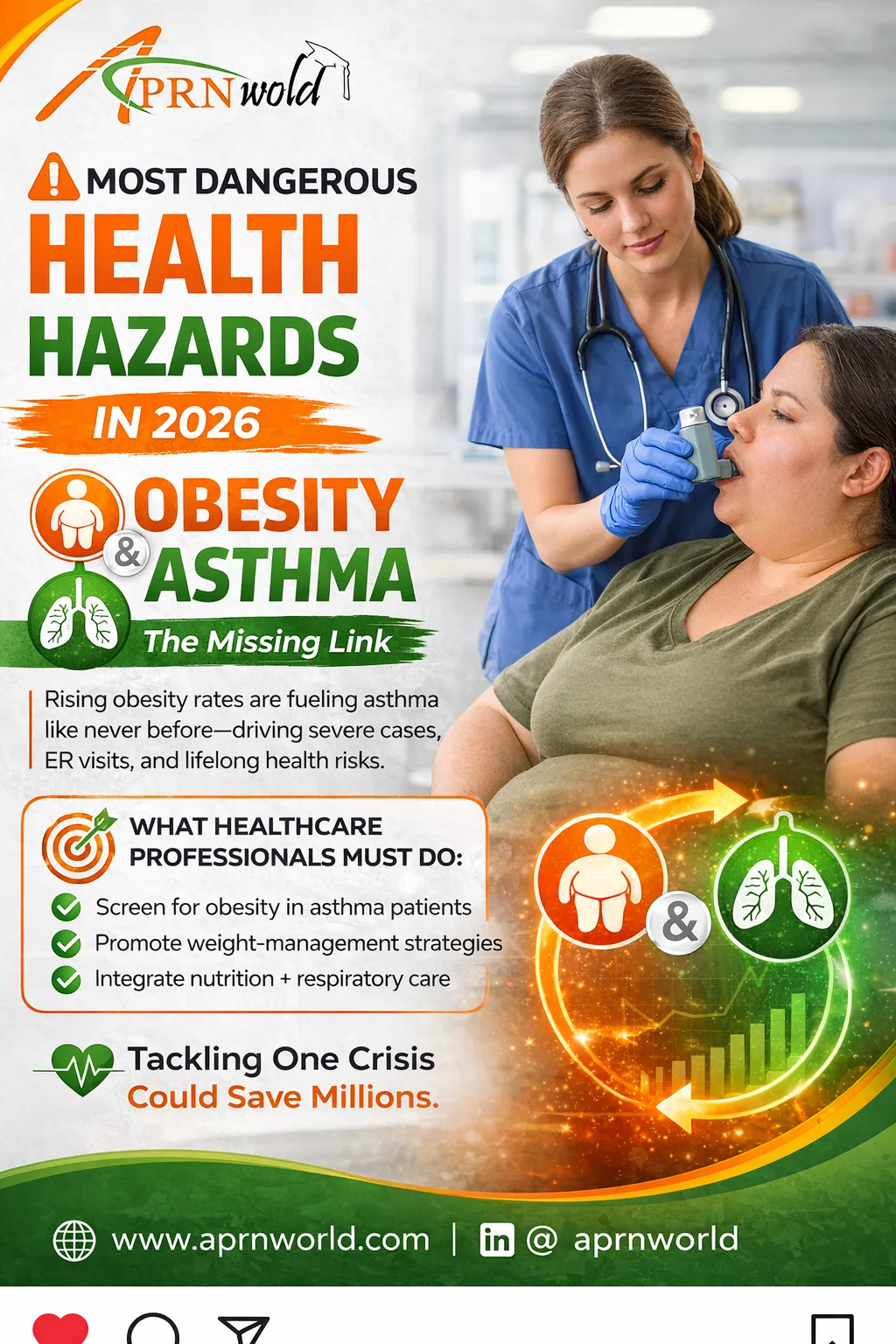
Obesity-Related Asthma: The Missing Link in Uncontrolled Asthma
A patient with asthma who keeps returning with frequent exacerbations, increasing reliance on rescue inhalers, and symptoms that never seem fully controlled despite doing everything right is a common clinical challenge. More often than not, obesity is part of the picture. It may not always be addressed directly, but it is almost always present.
Asthma is primarily known as an inflammatory airway disease. However, the patients we see today do not always fit this model neatly. In individuals with obesity, asthma behaves differently; it is less predictable, less responsive to standard treatments, and often more persistent.
Obesity has become a major global health challenge, affecting not just respiratory health but also the heart, metabolism, and overall well-being. Studies suggest that 30–50% of individuals with obesity have a higher likelihood of developing asthma. Additionally, a significant proportion of people living with obesity already have asthma, and these individuals often respond poorly to conventional medications. This leads to frequent exacerbations, reduced pulmonary function, and increased airway hyperresponsiveness.
Globally, asthma continues to be a major concern, affecting hundreds of millions of people. In children, the burden is equally significant, with millions affected—particularly those between the ages of 5–9 and adolescents under 20. Environmental factors such as air pollutants (PM2.5, nitrogen dioxide, ozone), indoor allergens (dust mites, mold, pet dander), and chemical irritants (cleaning agents, pesticides) further increase the risk, especially in pediatric populations.
The economic burden is also substantial, with annual medical expenses per patient reaching thousands of dollars.
Obesity and Asthma: The Overlap We’re Still Underestimating
Obesity-related asthma is not a single condition but a spectrum. Broadly, it presents in two phenotypes: early-onset asthma and late-onset asthma, with the latter being more common in women.
The connection between obesity and asthma lies in systemic inflammation. As adipose tissue expands, it releases adipokines and cytokines that contribute to chronic low-grade inflammation. This inflammatory state directly impacts airway function and increases asthma risk.
In addition, the gut microbiota plays a crucial role. In obesity, microbial imbalance (dysbiosis) leads to altered production of short-chain fatty acids and increased circulating lipopolysaccharides (LPS), further driving metabolic inflammation and worsening respiratory outcomes.
Treatment Gaps in Obesity-Related Asthma
Standard asthma treatments often fall short in patients with obesity.
Short-acting beta-agonists (SABAs) like salbutamol, albuterol, and terbutaline provide quick relief by relaxing airway smooth muscles, but they do not address underlying inflammation or mucus production.
Inhaled corticosteroids (ICS) remain the cornerstone of asthma management for persistent cases. However, their effectiveness may be reduced in obesity-related asthma due to underlying metabolic inflammation that is not targeted by these therapies.
This highlights a critical gap: treating airway inflammation alone is not enough.
Bridging the Gap with a Dual-Pathway Approach
To effectively manage obesity-related asthma, clinicians must adopt a dual-pathway approach:
Address airway inflammation (classic asthma)
Target metabolic inflammation (obesity-driven)
This includes identifying specific asthma phenotypes, incorporating weight management strategies, and considering metabolic interventions alongside standard respiratory care.
How APRN World Supports Clinicians
APRN World helps bridge this gap through its specialized CE certification program:
“Obesity-Related Asthma: The Missing Link of Metabolic Dysregulation.”
This program equips healthcare professionals to:
Understand the complex link between obesity and asthma
Move beyond the one-size-fits-all inhaler approach
Deliver personalized, evidence-based care
Improve patient outcomes through integrated treatment strategies
The course content follows AORN’s validated evidence-based ranking model and is ANCC-accredited. It is approved by multiple state boards and widely accepted across the U.S.
With practical, step-by-step guidance, clinicians can enhance sustainable weight management, reduce asthma exacerbations, and significantly improve patients’ quality of life.
Access this affordable CEU course anytime, anywhere at:
www.aprnworld.com
