


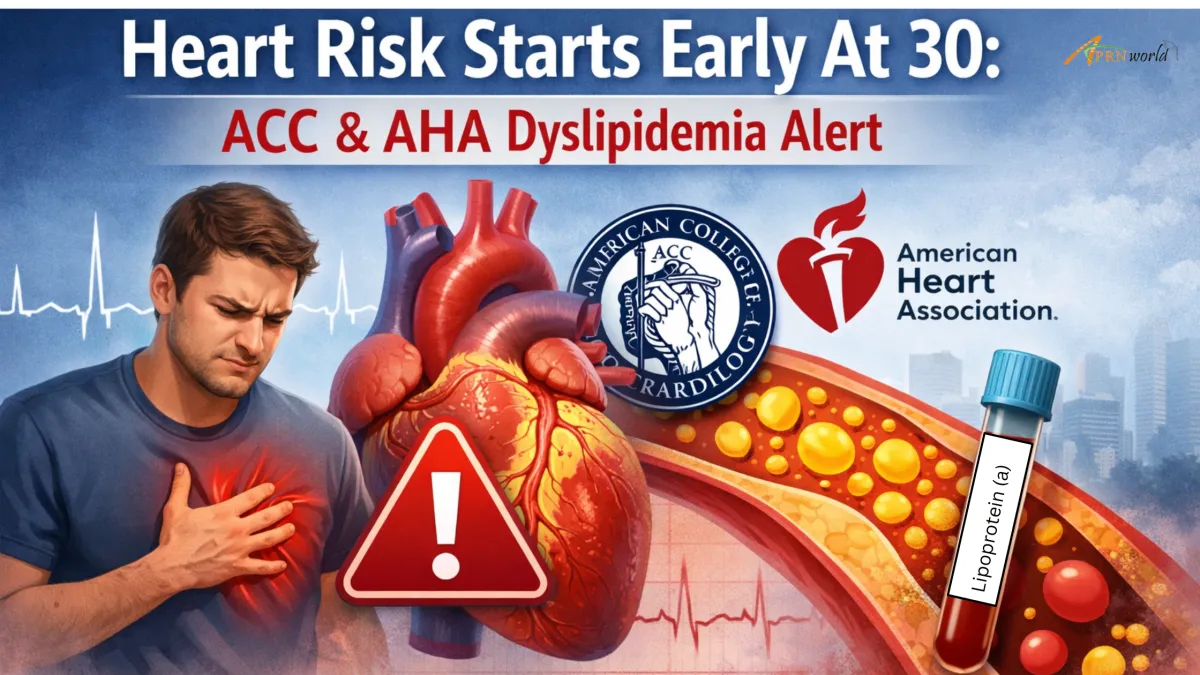
Heart Risk Starts at 30 | ACC/AHA Dyslipidemia Guidelines Explained
American College of Cardiology (ACC) & American Heart Association (AHA) issues new clinical guidelines to prevent lifetime heart risk with initial cardiovascular risk assessment to be done at early 30s. Major goal is to minimize patient’s lifetime risk of atherosclerotic cardiovascular disease (ASCVD). Statins are recommended at early stage for youngsters with elevated cholesterol levels.
Measurement of lipoprotein (a) and apolipoprotein B testing, Coronary Artery Calcium (CAC) testing is mandatory for adults to identify and prevent heart diseases at initial stage.
Causes For High Cholesterol Levels
American Heart Association suggest unhealthy lifestyle is one of the major reason for high LDL cholesterol.
-Frequent intake of junk foods rich in trans fats and saturated fats.
-Obesity
-Intake of tobacco
-Hereditary
Several new lipid-lowering therapies have received approval from the U.S. Food and Drug Administration, including bempedoic acid (Nexletol; Esperion), inclisiran (Leqvio; Novartis), and evinacumab (Evkeeza; Regeneron).
Major focus is to give proper counselling to patients and optimize lifestyle habbits in adults.
New Preventive Cardiology Guidelines for Dyslipidemia Management
In patients without Atherosclerotic Cardiovascular Disease (ASCVD), management is based on risk using the PREVENT calculator:
Low risk (<3%)
• LDL 160–189 mg/dL or 30-year risk ≥10% → consider moderate-intensity statin
• LDL <160 mg/dL & 30-year risk <10% → lifestyle counseling onlyBorderline risk (3–<5%)
• Consider statin based on clinical judgment
• Target LDL <100 mg/dL
• Moderate-intensity statin if treatedIntermediate risk (5–<10%)
• Moderate- or high-intensity statin recommended based on risk discussion
A drastic change in their daily routine can lower the risk of stroke and heart diseases.
-Following a Healthy Diet
-Increasing physical activity
-Getting proper sleep
-Managing blood pressure
To stay current in today’s rapidly evolving healthcare environment, continuing education is essential for every nurse and APRN. APRN World with 15+ years of experience in this field, offers comprehensive APRN CE Courses designed to support licensure renewal and strengthen evidence-based practice. In addition, specialized resources like Arrhythmia Recognition Courses and interactive EKG simulators provide valuable opportunities to enhance cardiac care skills and improve patient outcomes.
Additional Learning Resources
Strengthen your knowledge with comprehensive cardiac and pharmacology guides, available through the American Association of Critical-Care Nurses (AACN) and on Amazon.
