
TAVR – What is in the Future?
APRN World · August 17, 2025 · 1 min read
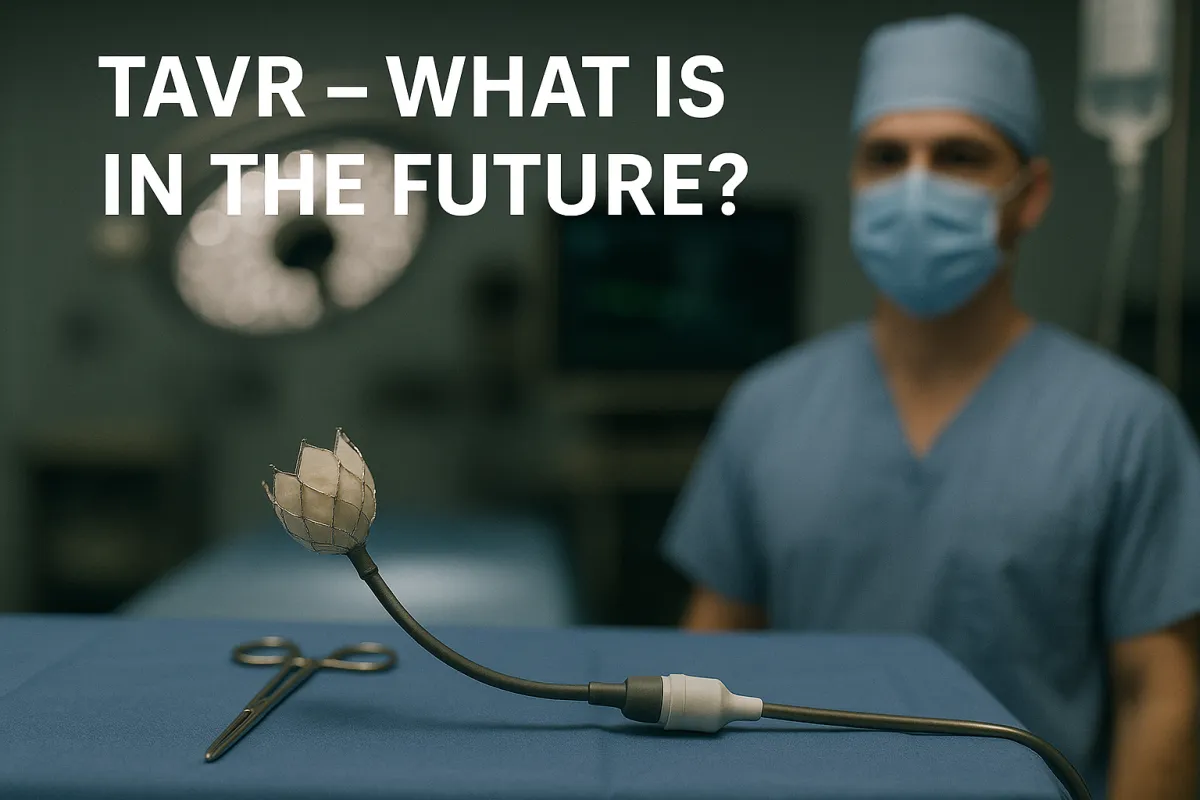
Transcatheter Aortic Valve Replacement (TAVR) has evolved from a niche procedure for high-risk surgical candidates into a mainstream treatment option for aortic stenosis patients across the risk spectrum. The past decade has seen remarkable progress in device design, procedural safety, and patient outcomes—but the future promises even more transformative changes.
1. Expanding Indications Beyond Aortic Stenosis
While TAVR is currently approved for severe aortic stenosis, clinical trials are exploring its role in moderate AS, aortic regurgitation, and even combined valve pathologies. If results mirror early feasibility data, more patients could benefit earlier in their disease course, preventing progression to heart failure.
2. Younger and Lower-Risk Populations
With improving valve durability data—now showing excellent hemodynamic performance beyond 8–10 years—TAVR may become a first-line choice even for younger, lower-risk patients, especially those seeking minimally invasive options with quicker recovery.
3. Next-Generation Valves
Future TAVR devices are focusing on smaller delivery systems, repositionable valves, and anticalcification coatings to extend valve lifespan. Some are being designed for retrievability and future valve-in-valve procedures to support lifetime management strategies.
4. Artificial Intelligence and Imaging Integration
Advanced imaging modalities, combined with AI-driven measurements, are expected to enhance patient selection, procedural planning, and complication prediction. This may reduce paravalvular leak rates and improve procedural efficiency.
5. Broader Multidisciplinary Team Roles
Advanced Practice Nurses will continue to play a growing role in pre-procedure optimization, patient education, and long-term surveillance. As TAVR programs expand, APRNs with structural heart expertise will be essential in program leadership and care coordination.
Implications for APRN CE
As TAVR indications broaden, continuing education becomes vital for keeping pace with evolving selection criteria, post-procedure management, and device technology. APRN WORLD offers cost-effective, visually rich, and clinically relevant CE to prepare providers for the next phase of structural heart interventions.
Turn this into CE hours
Explore accredited courses on this topic and earn contact hours toward your renewal.