
TAVR: A New Horizon in Cardiac Care
APRN World · August 17, 2025 · 1 min read
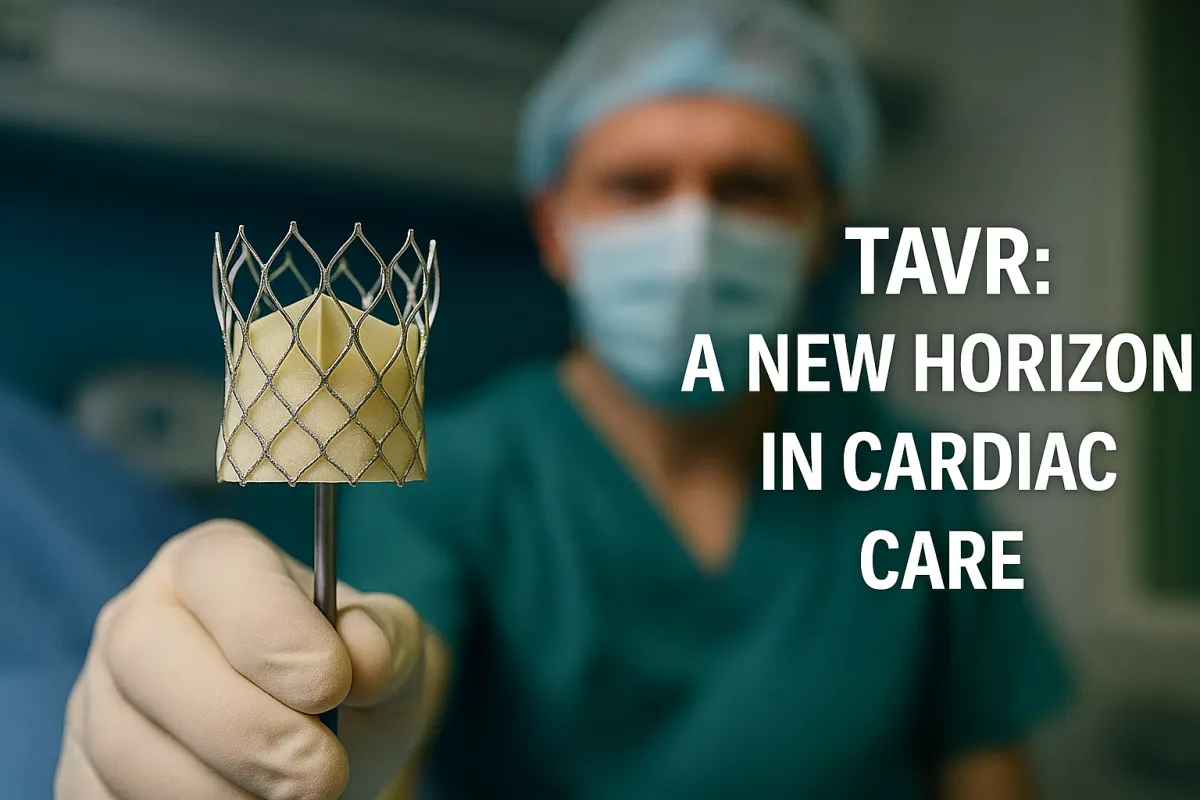
Transcatheter Aortic Valve Replacement (TAVR) is transforming how clinicians manage severe aortic stenosis, offering a minimally invasive alternative to open-heart surgery. Once reserved for high-risk surgical candidates, updated guidelines now support TAVR for intermediate and even selected low-risk patients, making it a powerful option for a broader population.
The procedure involves delivering a replacement valve via a catheter—often through the femoral artery—without the need for sternotomy or cardiopulmonary bypass. This approach reduces recovery time, hospital stays, and procedural complications, while improving patient quality of life.
Why TAVR Represents a New Horizon
1. Expanded Indications: Recent trials (e.g., PARTNER 3, Evolut Low Risk) demonstrated that TAVR matches or outperforms surgical valve replacement in selected low-risk patients, reshaping treatment algorithms.
2. Reduced Recovery Burden: Most TAVR patients experience significantly shorter hospital stays—often discharged within 48 hours—with faster return to daily activities compared to surgical recovery timelines.
3. Comparable or Superior Outcomes: Contemporary data show TAVR yields comparable survival, stroke, and valve durability rates to surgical aortic valve replacement (SAVR) in appropriately selected patients.
4. Interprofessional Opportunities: TAVR's success depends on a multidisciplinary heart team—cardiologists, cardiothoracic surgeons, anesthetists, advanced practice providers, and nursing staff—working in concert.
Implications for Advanced Practice Nurses (APNs)
APNs are integral to patient screening, education, peri-procedural management, and long-term follow-up. Ongoing continuing education (CE) in structural heart disease ensures APNs stay current on selection criteria, imaging advances, post-procedural anticoagulation strategies, and complication recognition.
APRN WORLD offers clinically relevant, visually engaging, and cost-effective CE on TAVR and other emerging cardiac interventions, equipping APRNs with the knowledge to lead in modern cardiac care.
Turn this into CE hours
Explore accredited courses on this topic and earn contact hours toward your renewal.